
|
 Trade Discounts Available
|
 Price Match Promise
|
 Secure Payments
|
 World Wide Delivery
|
 Over 20 Years Experience
|
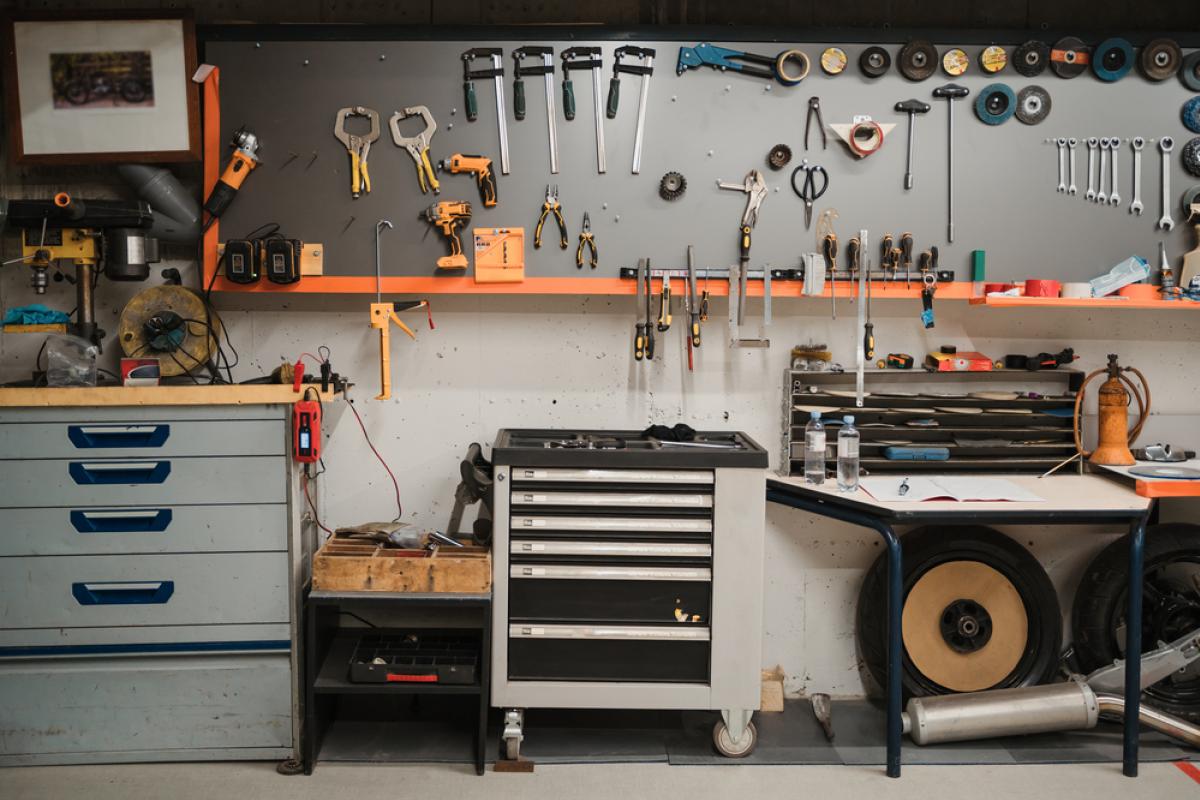
With spring fast approaching, many homeowners are now taking up new DIY projects around the house or garden. If you are one of those who store their tools in garages and workshops, rust is a common issue you may face. Higher moisture levels characteristic for this time of year alongside temperature shifts can sometimes lead to this, unfortunately affecting the instruments’ functionality over time. However, this doesn’t have to be the case as there are some easy ways to prevent the issue and we’ve outlined some of them in this guide. Here are our top tips on how to stop tools from rusting in the garage and why this tends to happen in the first place.
There is one main reason that causes tools to rust in a garage: moisture. High humidity and fluctuations in temperature cause moisture to build up and stick to surfaces, and this is especially relevant during spring as it’s a ‘battleground’ season when warmer air clashes with cold air from winter.
When the temperature changes, metal tools will cool down slower than the temperature of the air and their cool surface will then attract moisture from the warmer air around. What’s more, salt and certain chemicals often found on metal DIY instruments expedite this process.
Keeping your instruments stored correctly is the first step to keeping rust from building up. Make sure they’re not placed directly on the floor or loose / unboxed on damp cabinets or storage racks as this will cause them to absorb moisture more quickly.
Instead, keep them well sealed in a dry and cool area like a water-resistant hard plastic case or even a heavy-duty tool chest/cabinet, some of which have rubber seals to prevent moisture.
Make sure to also regularly clean them and give them a wipe down after each use to remove dirt, sweat, etc.
Specialised coatings designed to keep moisture from instruments can help prevent rust from building up. For the best protection, consider using something like Boeshield T-9 for example or WD-40 Specialist Corrosion Inhibitor which are good options for long-term storage.
However, you can use a light petroleum-based oil for this purpose like boiled linseed oil (BLO) or paste wax/glidecote which work great for cast iron surfaces like table saw tops for example as they reduce friction.
Some materials like concrete, cardboard and raw wood for example, tend to hold moisture and / or release vapour that can be corrosive to metal instruments alongside promoting condensation. To prevent tools rusting in the garage, avoid storing them unboxed near or on bare concrete floors / walls, paper-based products or wooden shelves.
It’s also a good idea to keep them away from any chemicals and fertilisers e.g. pool chlorine and fertilisers as those emit vapours that can ruin your tools, especially in a confined space.
Consider taking steps to keep the overall levels of moisture in your garage down as when humidity isn’t high, rust doesn’t get the chance to build up on your instruments in the first place. A dehumidifier for example, is quite a budget-friendly way to do this and there are modern, smaller-sized units (including desiccant options) that are also energy-friendly so they won’t bump up your energy bill too much.
You can also pair a dehumidifier with something like a crystal/silica based moisture trap to support the function of the unit, especially if your space is bigger.
Keep in mind that for a dehumidifier to function properly, it’s important to make sure your space is well sealed, meaning all gaps around doors and windows must be fully closed.
The most important step when it comes to reducing moisture and stopping tools from rusting in the garage is to make sure all windows and doors are properly sealed. You can do this by using sealant to close smaller gaps and cracks, but most importantly you’ll need to install a quality garage door seal to stop moisture / rain from entering.
A good threshold seal will act as a draught excluder meaning it will reduce the temperature fluctuations in your space and help stop condensation. It’ll also stop water from entering the structure (e.g. when it’s raining) which means it’ll lower moisture levels overall and as a result reduce humidity-induced oxidation on your instruments.
This type of seal is easy to fit on your own using a simple fixing adhesive (if you’re unsure how to do this, you can check out our guides on how to install various garage door seals here).
If you’re looking to keep your instruments free from rust this spring (and year-round), JA Seals can help. Our ranges or threshold seals and garage door bottom seals can create a reliable, long-lasting barrier that will prevent water ingress and reduce temperature shifts, helping you better control moisture levels in your space and preserve your tools in good condition for longer.
If you have any questions at all or need any help choosing the right product, don’t hesitate to get in touch with our team and we’ll be happy to help!


